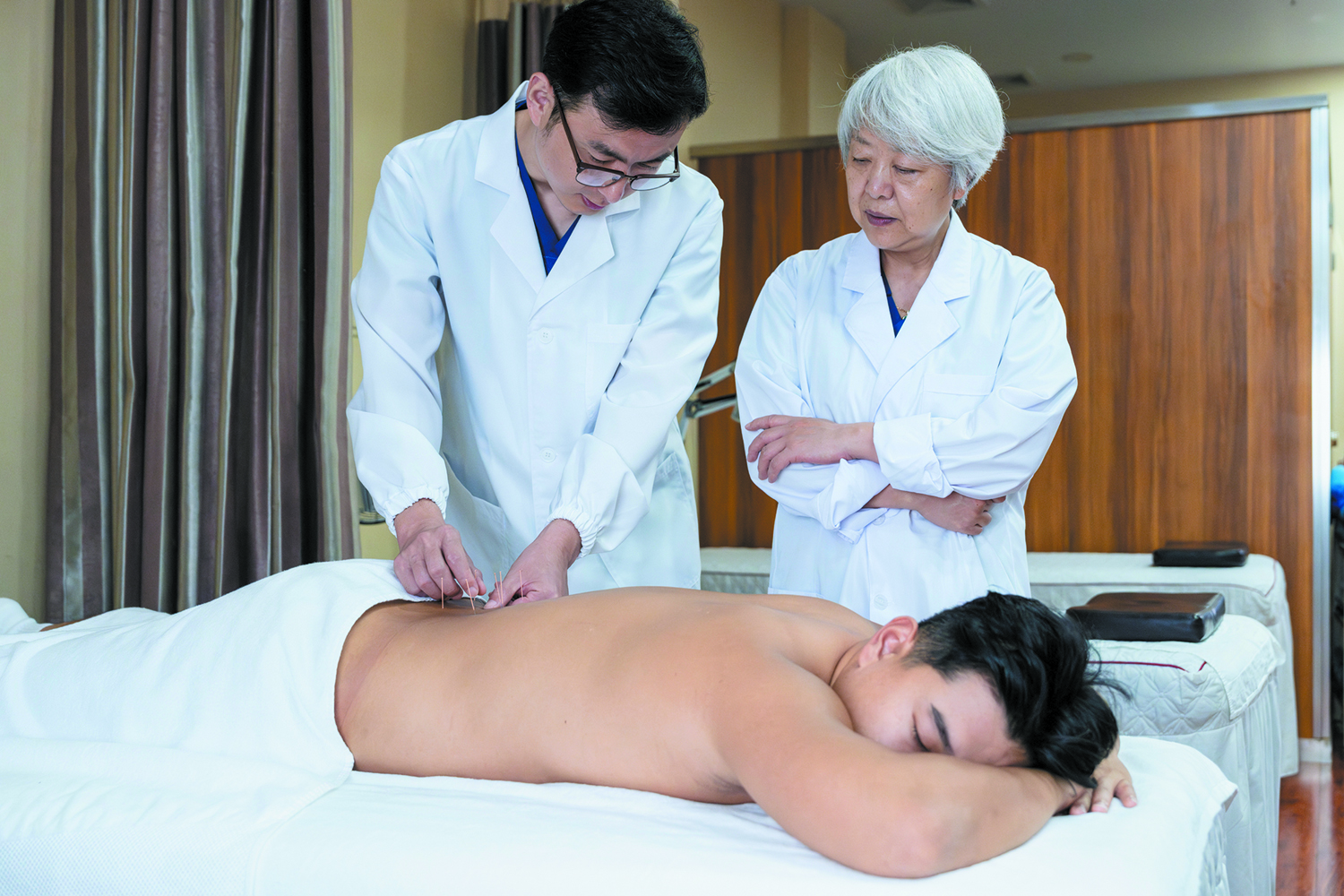
Traditional Chinese medicine (TCM) emphasizes the inseparable nature of body and mind along with the body’s innate self-healing abilities.
According to traditional Chinese medicine, health is a dynamic balance, in which the body’s systems, mind, and environment must function together harmoniously. When this balance is disturbed, disease can occur. For older adults seeking to maintain wellness, this philosophy can guide practical self-care habits that support resilience and longevity. TCM also can be a powerful partner to conventional medicine, especially for those managing chronic or complex health issues.
UCLA Clinical Professor Edward K. Hui, MD, elaborates on traditional Chinese medicine’s ancient yang-shen concept: “It is translated as ‘nourishing life’ and refers to the importance of cultivating the spirit, adjusting diet, exercising the body, regulating mood, moderating sexual life, and adapting to the climate, a foundational (and sometimes forgotten) aspect of TCM.”
Traditional Chinese Medicine & Conventional Medicine
Some medical centers include certain aspects of TCM, such as acupuncture and tai chi, within their practice offerings. At UCLA’s Center for East-West Medicine, traditional Chinese medicine is integrated into modern medical practice and serves more than 30,000 patient visits each year. Dr. Hui highlights that the center “offers assistance to those who have exhausted or are intolerant of conventional treatments and those who seek individualized care for wellness and prevention, or management of chronic conditions.”
TCM is typically an integrative approach, meaning that it doesn’t replace conventional medicine. Rather, it enhances and extends its reach, offering new pathways for healing when standard treatments fall short or when patients want preventive and holistic options.
Traditional Chinese Medicine in Action
One example of TCM’s value is its approach to chronic pain, a persistent issue that reduces quality of life for many people. Studies have shown the acupuncture can reduce pain in conditions like osteoarthritis and spinal disorders. A 2024 meta-analysis published in the journal Pain analyzed 111 studies investigating acupuncture and musculoskeletal pain. It found that acupuncture reduced pain and sometimes had clinical benefits lasting for several months post-treatment.
“TCM may also help people with functional gastrointestinal disorders, sleep and mood disturbances, autoimmune disorders, and cancer-related problems,” Dr. Hui adds. For example, people with irritable bowel syndrome (IBS) often have to contend with bloating and diarrhea. A multicenter randomized clinical trial involving 280 people with IBS showed that acupuncture reduced pain and improved stool consistency over 18 weeks. Writing in the journal Gut in 2025, researchers concluded that acupuncture was a viable alternative treatment for IBS digestive complaints.
Furthermore, mindfulness-based exercises rooted in traditional Chinese medicine, such as qi gong and tai chi, offer additional support for older adults coping with insomnia or mental health issues. A randomized trial published in JAMA Network Open (2021) concluded that both tai chi and conventional exercise significantly improved sleep in older adults with insomnia. Also, a 2024 study (Frontiers in Public Health) found that tai chi improved symptoms of anxiety and depression in older adults.
Combining Chinese Medicine with Western Practice
Integrative centers like UCLA’s merge the strengths of conventional medicine with traditional Chinese medicine’s focus on the whole person. Patients benefit from personalized regimens, such as acupuncture paired with physical therapy, Chinese herbal medicine used in tandem with standard medications, and mind-body exercises coordinated with routine doctor visits. By acknowledging the “inseparable nature of body and mind,” as Dr. Hui describes it, patients are empowered to build resilience from multiple directions.
Importantly, TCM is used not only for those seeking alternatives but also for wellness, prevention, and long-term management of chronic health challenges. For older adults, who may navigate complex medical histories and the use of multiple medications, TCM’s gentle, nonpharmacologic approaches have the potential to ease the burden of side effects and empower self-care.
Whether managing chronic pain, digestive issues, trouble sleeping, or simply seeking to “nourish life,” older adults can find meaningful options in traditional Chinese medicine. For those interested in exploring TCM, consulting with integrative health centers or practitioners experienced in both Eastern and Western approaches helps ensure safe, personalized care. Seek out practitioners who attended accredited traditional Chinese medicine schools, earned a master’s level degree, and passed licensing board exams.